
For Ghanaian importers, China remains the dominant sourcing market for electronics, general merchandise, and countless other product categories; and Alibaba is usually the starting point. It's also a platform where anyone can list as a supplier, which means genuine factories and dishonest middlemen sit side by side in the same search results. Here's how to tell them apart before you commit money.
Is Alibaba safe to buy from?
Yes, used carefully. Alibaba itself is a legitimate B2B marketplace connecting millions of real buyers with real manufacturers and trading companies. The risk isn't the platform; it's that listing on it requires very little verification, so dishonest sellers operate alongside legitimate ones. Used carelessly (wiring money to unverified sellers, skipping samples, ignoring red flags), Alibaba is where a large share of first-time importers lose money. Used with a consistent verification process, it's a genuinely powerful sourcing tool.
How do you verify a supplier before you pay?
- Check their business license. A legitimate Chinese supplier can produce this on request, and it can be cross-checked against China's national business registry.
- Don't rely on platform badges alone. "Gold Supplier" or "Verified Supplier" badges mean a seller paid for a better listing tier or passed a light-touch check; they are a useful filter, not proof of legitimacy on their own.
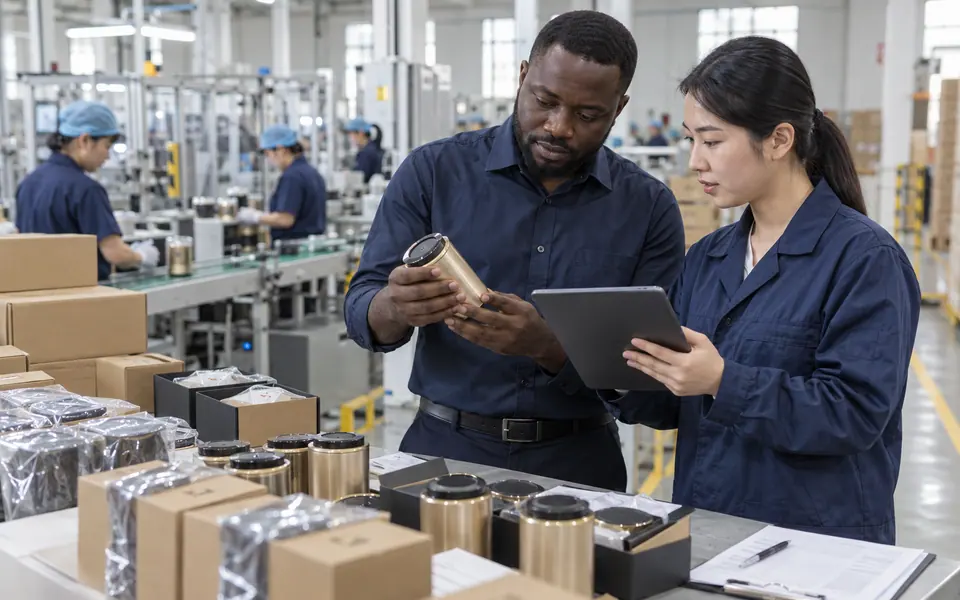
- Ask for a live video tour of the factory floor. A genuine manufacturer can show you their actual production line in real time; a middleman posing as a factory generally cannot.
- Cross-check the company name and registered address against what's shown on their storefront and any documentation they send you.
- Ask for references from recent buyers. Any legitimate, established supplier should be willing to share contacts from a few satisfied customers.
- Order a paid sample before committing to a bulk order. This is the single most effective, universally recommended step in every serious sourcing guide; it's a small cost that catches quality issues, misrepresented products, and outright fraud before real money is at stake.
What payment methods actually protect you?
- Alibaba Trade Assurance; Alibaba's own buyer protection scheme, generally the safest option for a first order with a new supplier, since it ties payment release to agreed shipment terms.
- A letter of credit; for larger orders, this has your bank release payment only once shipping documents are verified, giving you leverage if something doesn't match what was agreed.
- Credit card payment (for smaller orders); carries buyer protection through chargeback rights, at the cost of higher processing fees.
What to avoid entirely: wire transfers to a personal bank account (rather than a verified company account), and any request to pay via Western Union, MoneyGram, or similar services. These payment channels are preferred specifically by scammers because they're difficult to trace or reverse; a legitimate supplier has no good reason to insist on them.
What are the most common import scams to watch for?
- Bait-and-switch; the sample or listing photos are excellent, but the bulk order that arrives is a cheaper, lower-quality substitute.
- Under-invoicing requests; a supplier offers to declare a lower value on shipping documents to reduce your duty bill. This isn't a favour; it's a customs fraud risk that can get your shipment flagged, delayed, or seized when values don't match reality.
- Fake certifications; a certification logo (CE, RoHS, ISO, FDA, etc.) displayed on a supplier's site or product listing that doesn't hold up when checked against the real issuing body's records.
- Payment redirected to a "changed" account; a supplier mid-transaction suddenly asks you to send funds to a different account than previously agreed, often a sign the communication itself has been compromised.
- Disappearing after deposit; a supplier takes an upfront deposit and then goes unresponsive once it's paid.
Should you use a sourcing agent?
For higher-value orders, first-time importers, or anyone without an existing relationship on the ground in China, a sourcing agent can close most of the gaps that scams exploit; verifying suppliers in person, inspecting goods before they ship, and negotiating on your behalf. It's an added cost, but for a first significant order, it's often cheaper than the alternative of losing an entire shipment's worth of capital to a supplier who was never going to deliver.
What happens after the goods leave the factory?
Vetting the supplier is only half the job; the shipment itself still needs to travel safely and clear Ghana customs correctly. This is where a good freight forwarder matters as much as a good supplier: someone managing your booking, your documentation, and your Ghana-side customs clearance closes the loop between "the right goods left the factory" and "the right goods arrived, cleared, and reached you intact."